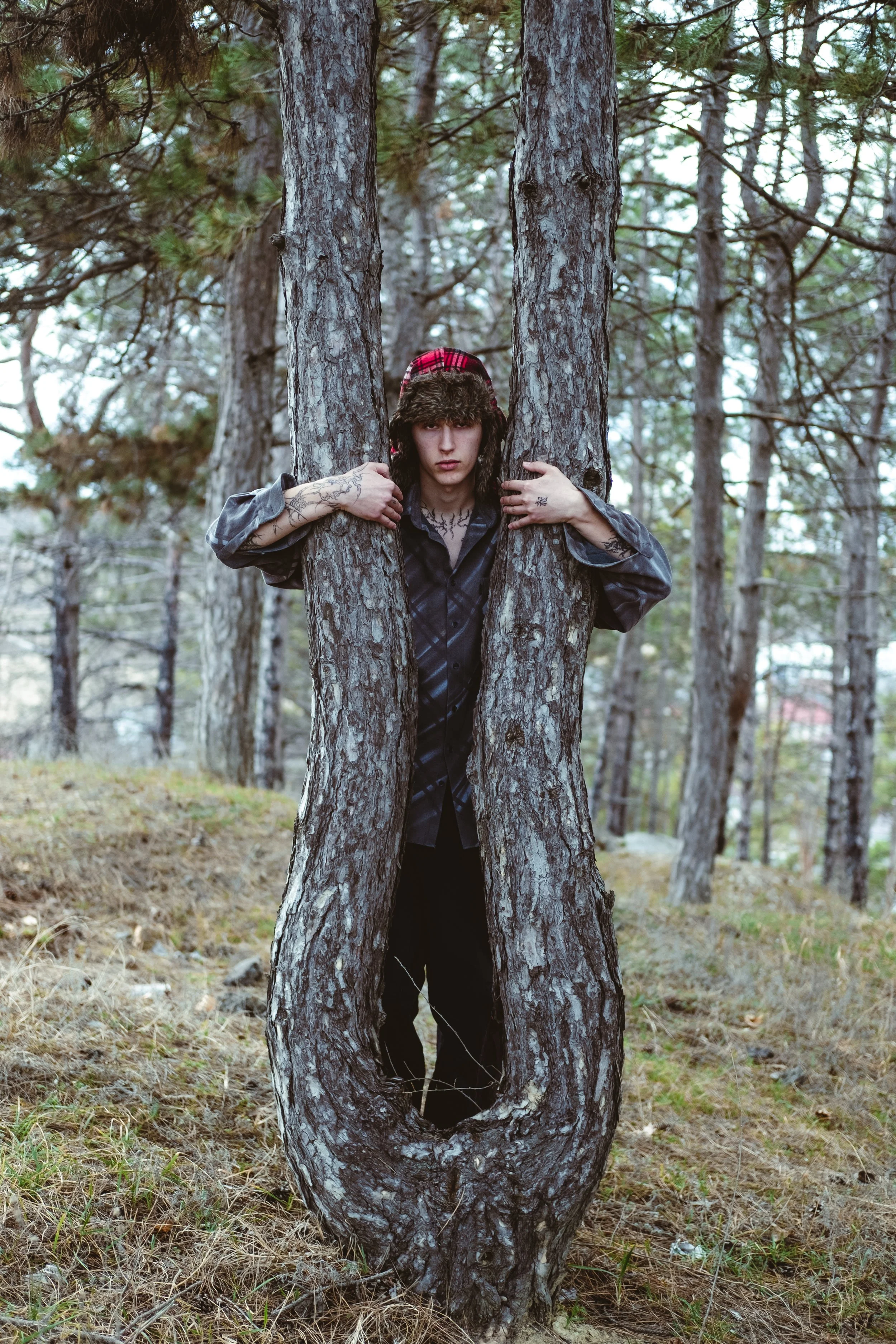
The story of Sasha, a 19-year-old who was forced to leave his home in Ukraine due to the ongoing war, reflects the painful reality faced by millions. Like many other young people, Sasha encountered an uncertain future, crossing borders in search of safety, stability, and a sense of belonging.
Since the war began in February 2022, over 6 million Ukrainians have fled the country, many of them youth and young adults who had to leave behind their families, education, and dreams. Sasha’s journey took him through four different countries over the span of just a year and a half before he eventually settled in Moldova, where he has now lived for the past year.
During his journey, Sasha moved frequently each time building new connections, making friends, and then having to say goodbye as he was relocated once again. While Sasha is now safe in Moldova and reunited with his mother, his father remains stuck in Ukraine. He also suffered deep personal losses—his grandfather was killed in a bombing, and he had to say goodbye to his ex-girlfriend when he fled. He has not seen her again since the war began.
SASHA, MOLDOVA.
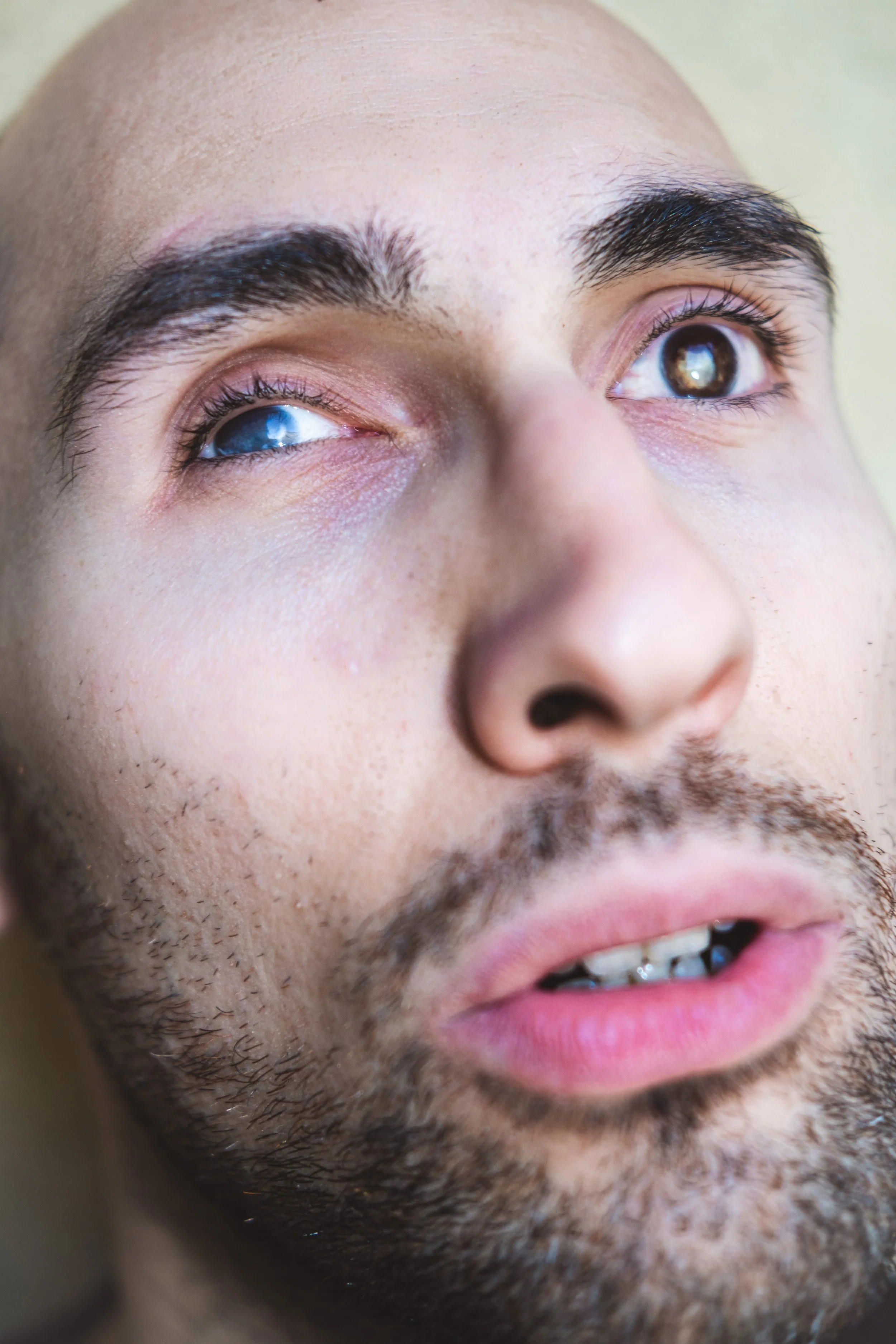
MARCO, BOLOGNA
‘Home for me is connected to memory. I remember the moment I lost the ability to see my mother’s face due to blindness. It was a painful realization; faces are tied to identity. The thought of losing that visual memory felt like losing a part of her. Most people can look at a photo and refresh a memory, but I cannot. This loss has made me reflect on how much we rely on images for connection.’
‘However, this struggle also taught me something profound.My girlfriend, Desiree, who is also blind, has shown me that true connection is not defined by appearance. I have never seen her, yet I feel deeply connected to her. It is her energy, her voice, her presence that matter. This has reshaped my understanding of relationships: true connection is about emotions, not appearances. Safety and peace at home come from a sense of control over my space. I like my belongings arranged in a way that feels comfortable. Sharing space is challenging because it requires constant adaptation. Even in my relationship with Desiree, I value respect for personal boundaries. I need a space that feels like mine to truly relax. Home is more than a location.. it is a feeling of peace, a sense of belonging, and an emotional connection with others. It is a place where you can be yourself, surrounded by those who respect your needs and boundaries’
FRANZ, MOLDOVA.
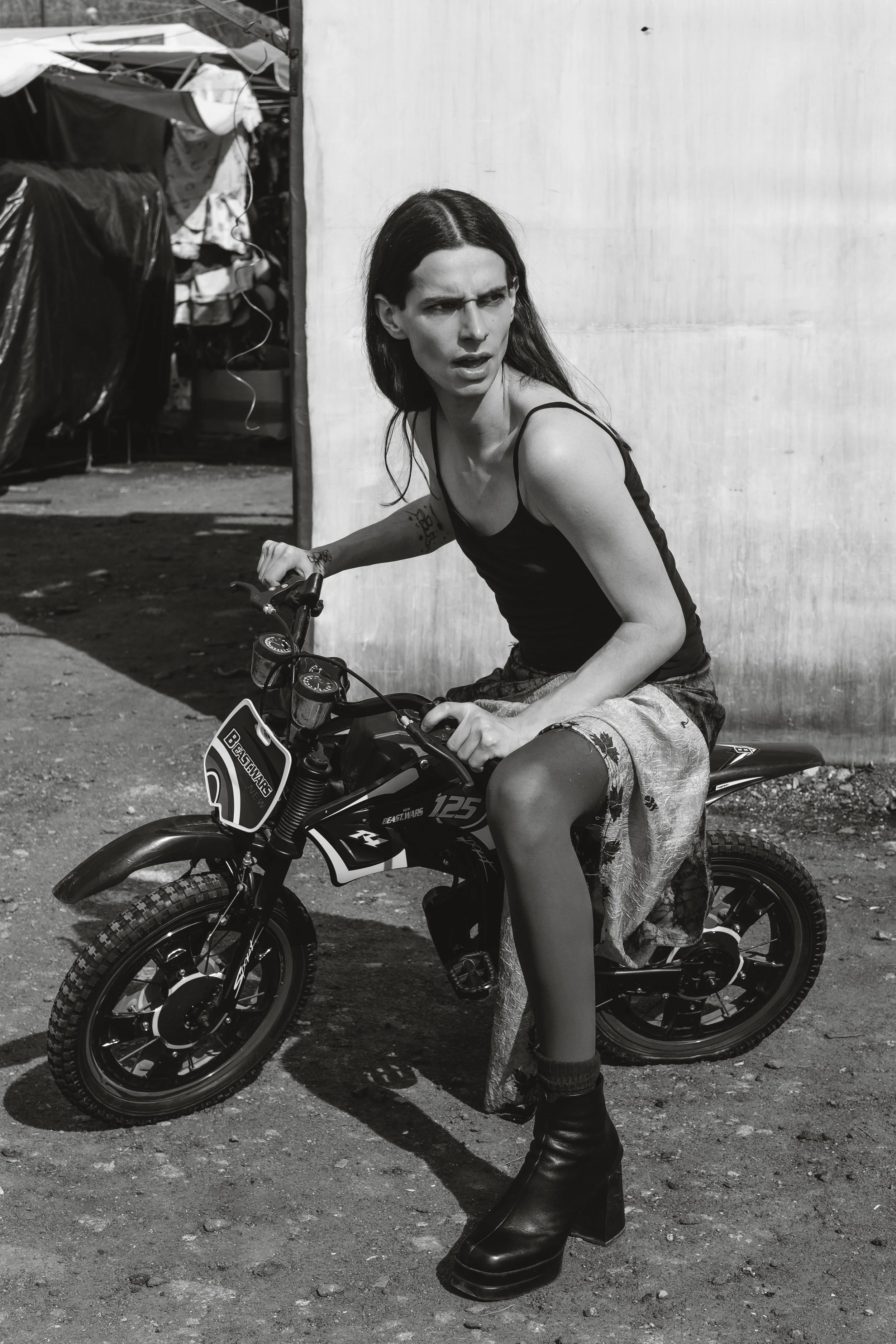
‘Home is me. a space where I constantly try to pull back the curtains, inviting the sun inside, a sun that is always happy to welcome me. Because I allow it. Because I try to allow myself the idea that I deserve to have my space illuminated. Light is the instrument that helps me fill this home with everything that connects me to myself: crafting from beads, finding new friends, existing in a form that I truly enjoy. Home is a feeling I am constantly trying to build. To exist in a way that aligns with my desires, with myself, is to feel at home. It reflects in what I do and in how I try to allow myself to feel. I create a reality where there is space for me too.
‘I almost lost my mind when I was physically assaulted because of my gender expression on the street, almost reaching home. I was threatened by the people who attacked me, telling me they knew where I lived. Because of this, I was forced to move out that same evening, staying at a friend’s place until I could regain some sense of stability. I experience verbal aggression on the street daily, but after the physical assault, my mind started playing tricks on me. It triggered episodes of derealization and dissociation, and I began having constant panic attacks. Most of this stems from the intrusive feeling that I don’t belong in this world because I have had too much contact with hostility directed at me. Together with my therapist, and with myself, I am still trying to heal.’
‘‘I feel disconnected from myself, from my surroundings, from the people around me. I start to shrink, to occupy less space, as if trying to become invisible to avoid further harm. A lack of safety makes my body tense, my thoughts scattered. I become more susceptible to self-doubt, questioning whether I even deserve peace. It makes it harder to trust, to relax, to create. Without safety, I start to overanalyze everything, every interaction, every silence, every shift in energy. My nervous system stays on high alert, bracing for the next blow, the next dismissal, the next moment of rejection. And yet, in those moments, I remind myself: I have built my own home before. I can do it again. Home is something I try to carry within me, but I also recognize that it is shaped by the spaces and people around me. There are places where I have felt at home, only to be pushed out. There are people who have felt like home, only to become unreachable. Because of that, I have learned to create home in small things: in a needle and thread, in the weight of a beaded ring between my fingers, in moments of quiet self-acceptance. But I also know that home is not just a personal journey. Safety, belonging, and warmth are things we build together. A home that exists only in isolation is fragile. So, I try to carry it within me, yes—but I also long for a world where I don’t have to carry it alone’