THE PROTAGONISTS OF THEIR OWN REBIRTH
This project comes from my collaboration with Comunità Papa Giovanni XXIII, a community founded by Father Oreste Benzi that supports people often left at the margins of society. Their work reaches children with disabilities, young mothers, individuals facing addiction, victims of trafficking, the elderly, the homeless, and those coming out of prison. It is not simply a support system, but a way of living that places dignity, shared responsibility, and human connection at its core.
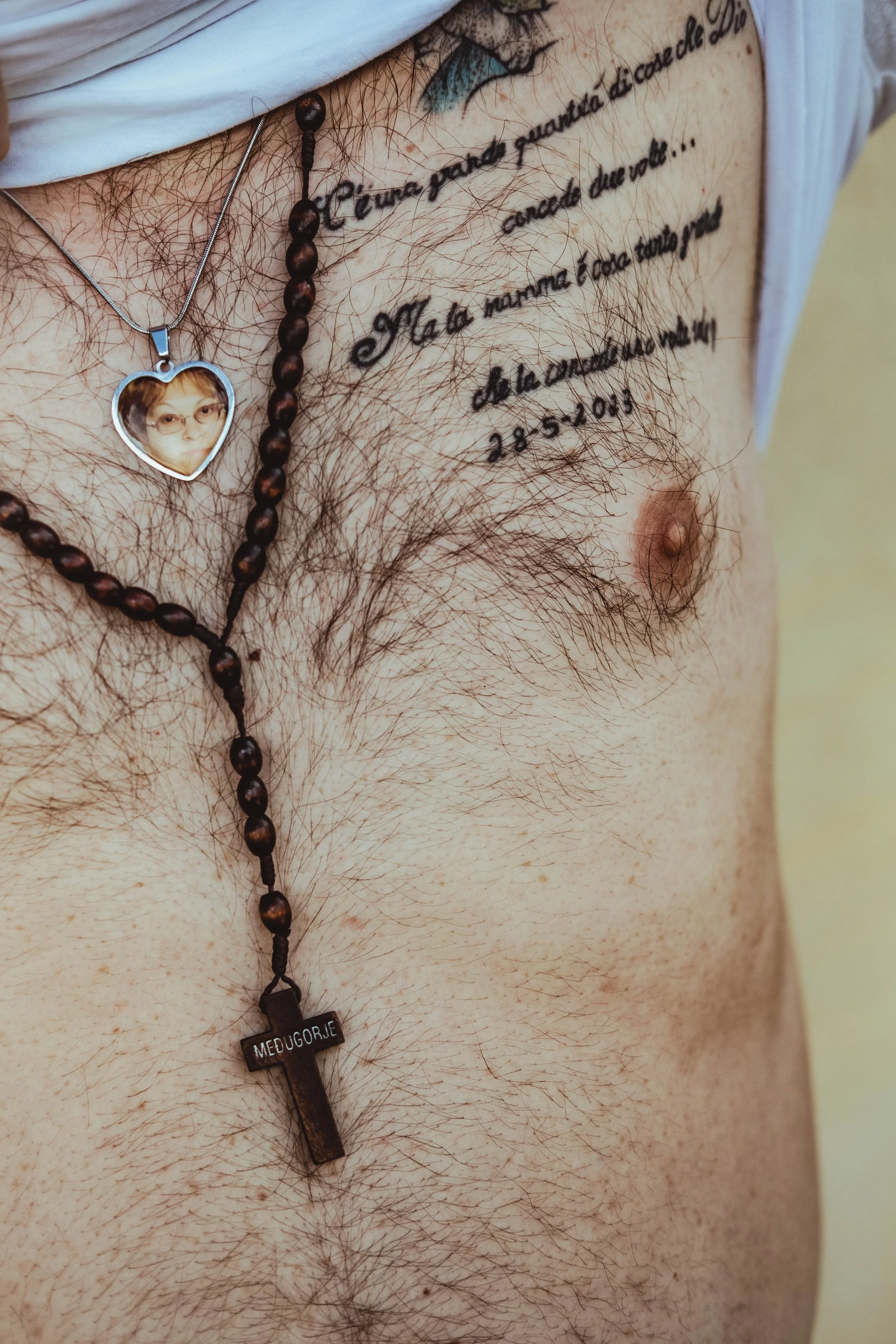
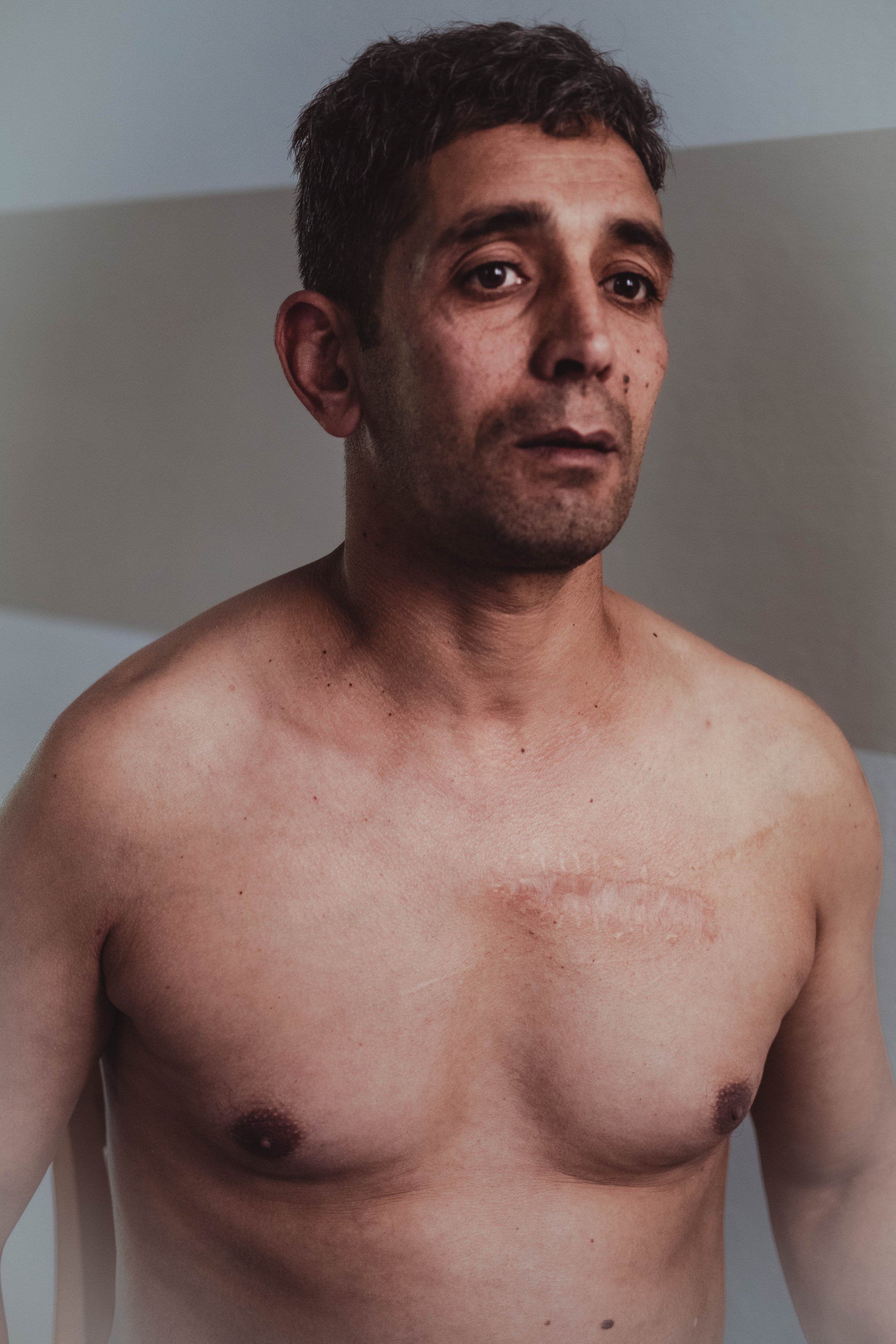
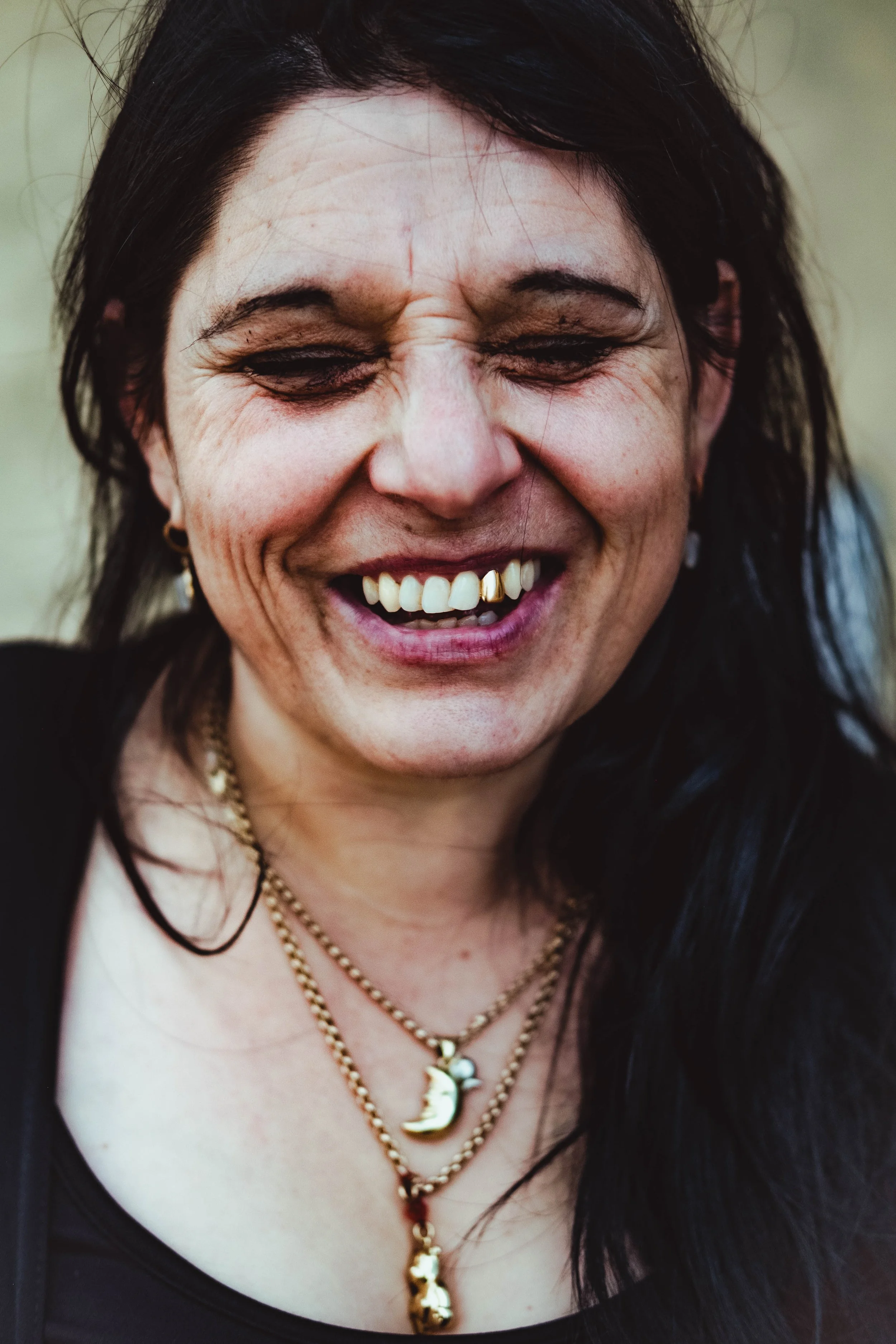
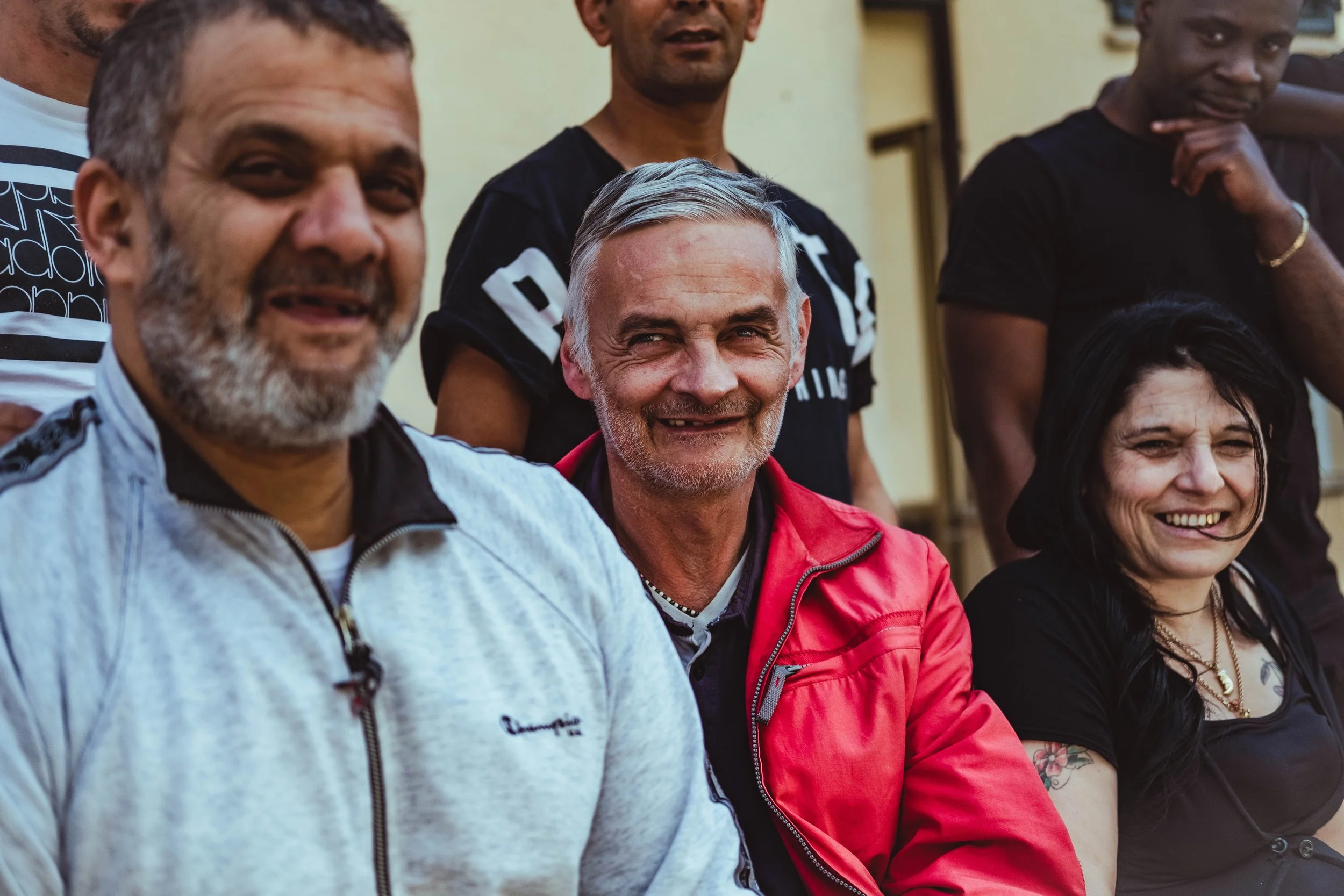
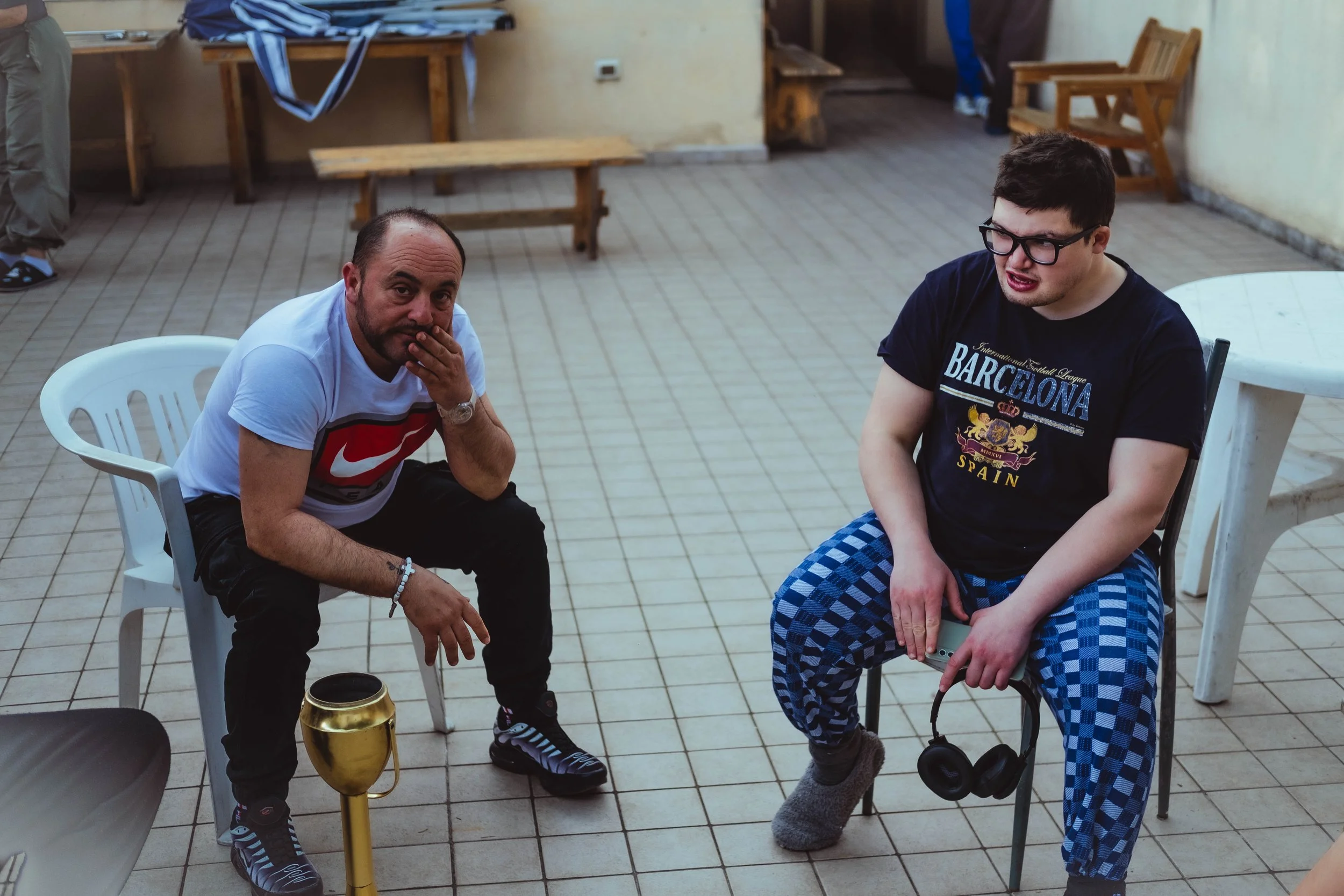
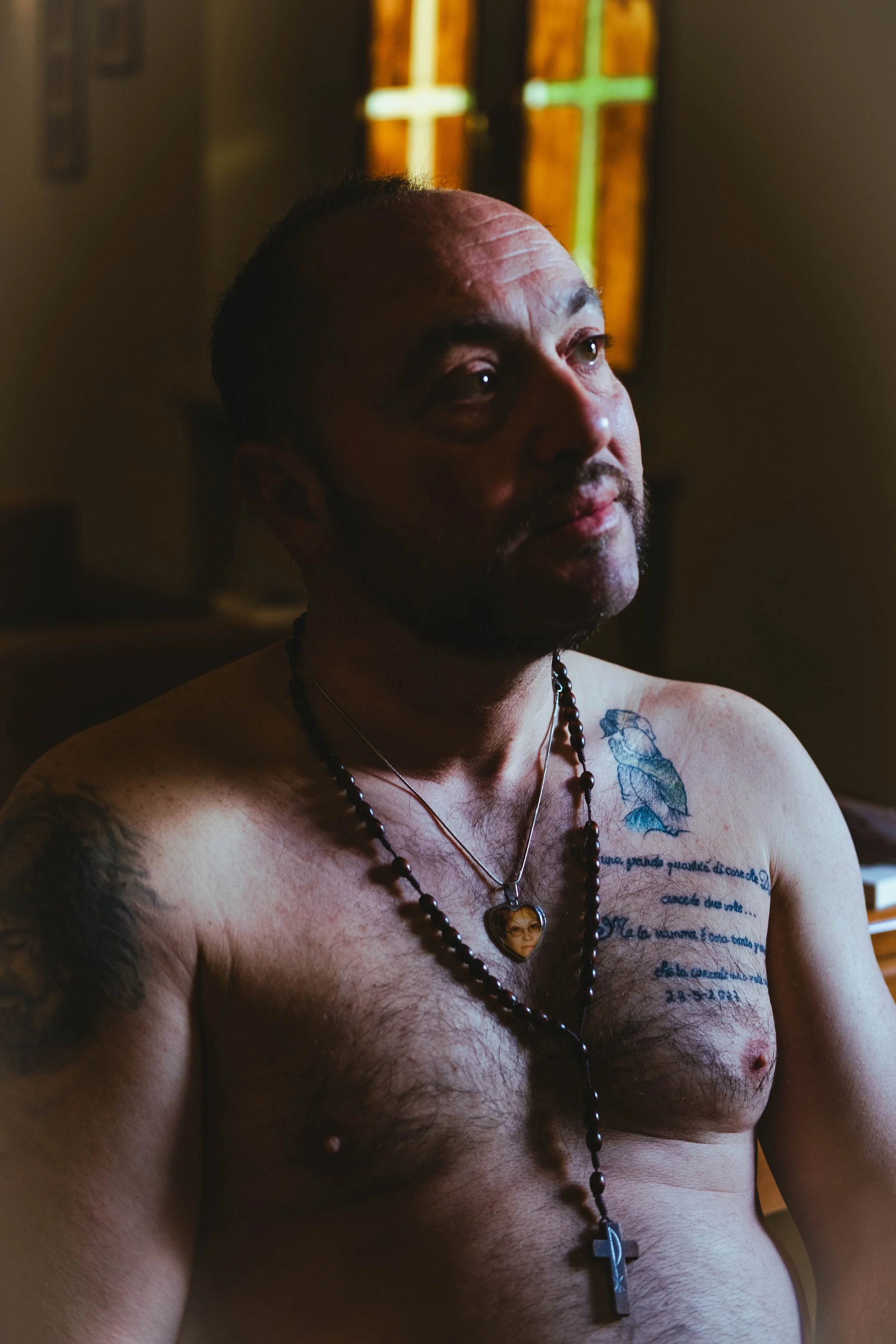
On 17 May, I visited one of their centres and spent the day with eight former prisoners who agreed to take part in this project. I interviewed each of them, listening to their stories, reflections, and answers to the central question: What does home mean to you? Many spoke of family. For some, that meant their mothers. For others, it was the relationships they had formed inside the community bonds built not only through shared experiences, but through daily acts of trust, responsibility, and care.
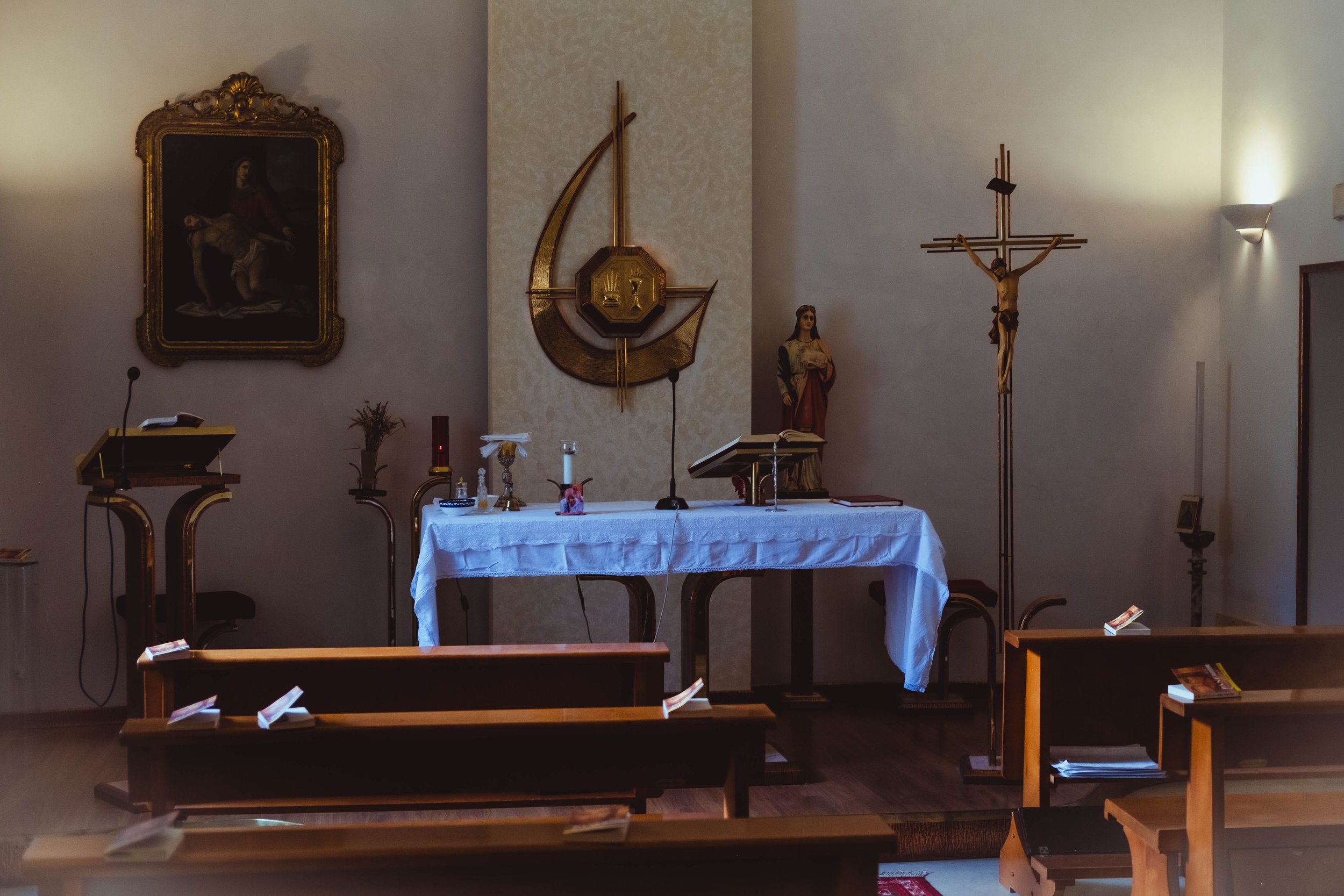
The Comunità Educanti con i Carcerati (CEC) communities were created as an alternative to prison. They provide a structured, protected environment where the focus is not on punishment, but on personal transformation. Open to people of all backgrounds, the communities invite participants into a three-phase process: first, the decision to change; then, a period of reflection and rebuilding; and finally, gradual reintegration into society.
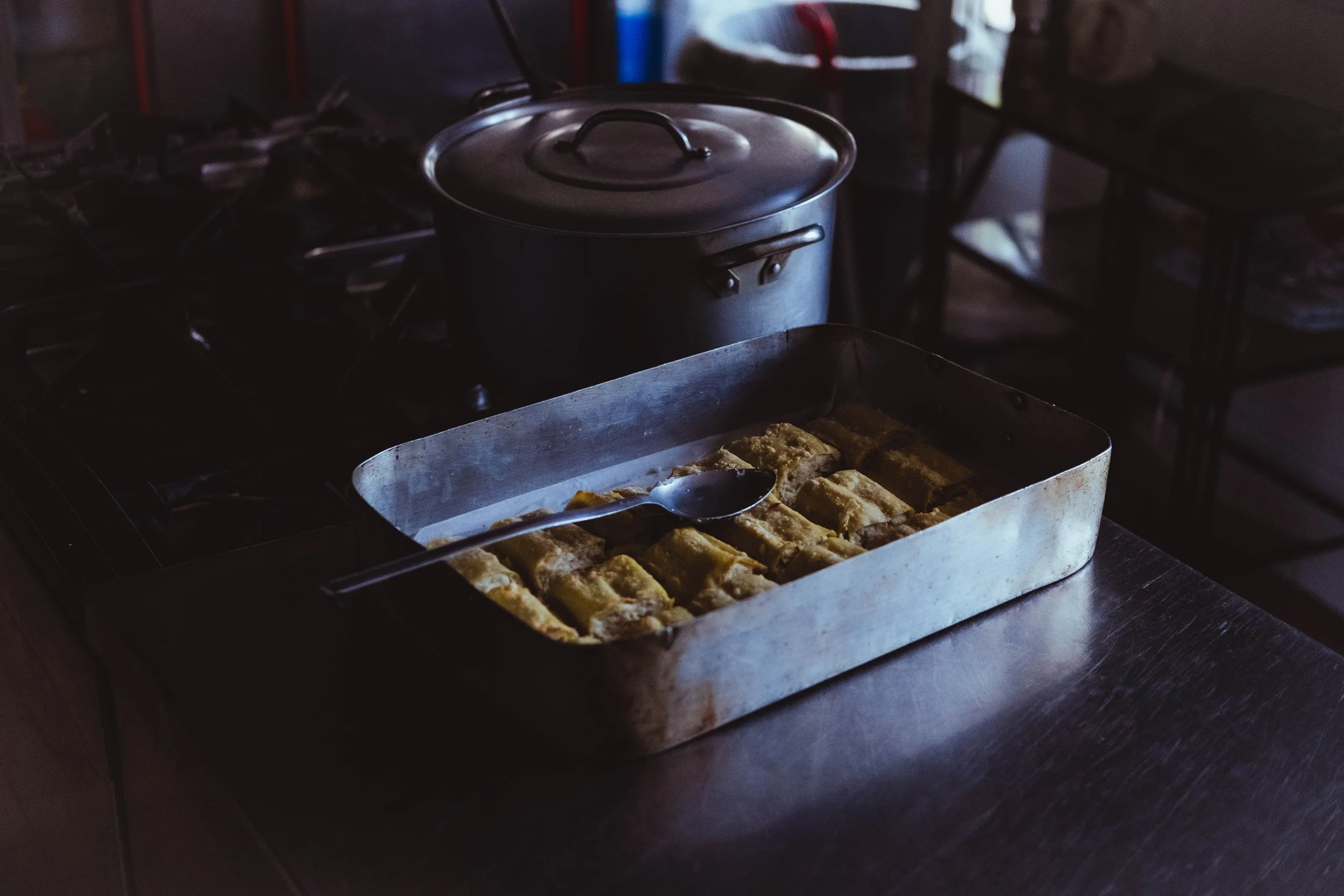
Here, change happens in relationship, not in isolation. Staff, volunteers, and participants live and work together, sharing meals, responsibilities, and daily conversations about trauma and mistakes. The goal is not to erase the past, but to build something new from within it. The word educate comes from the Latin e-ducere, meaning “to draw out”, capturing the spirit of the CEC communities, where people are treated not as problems, but as individuals with potential. Transformation is done with them, not for them, through patient work and shared commitment.
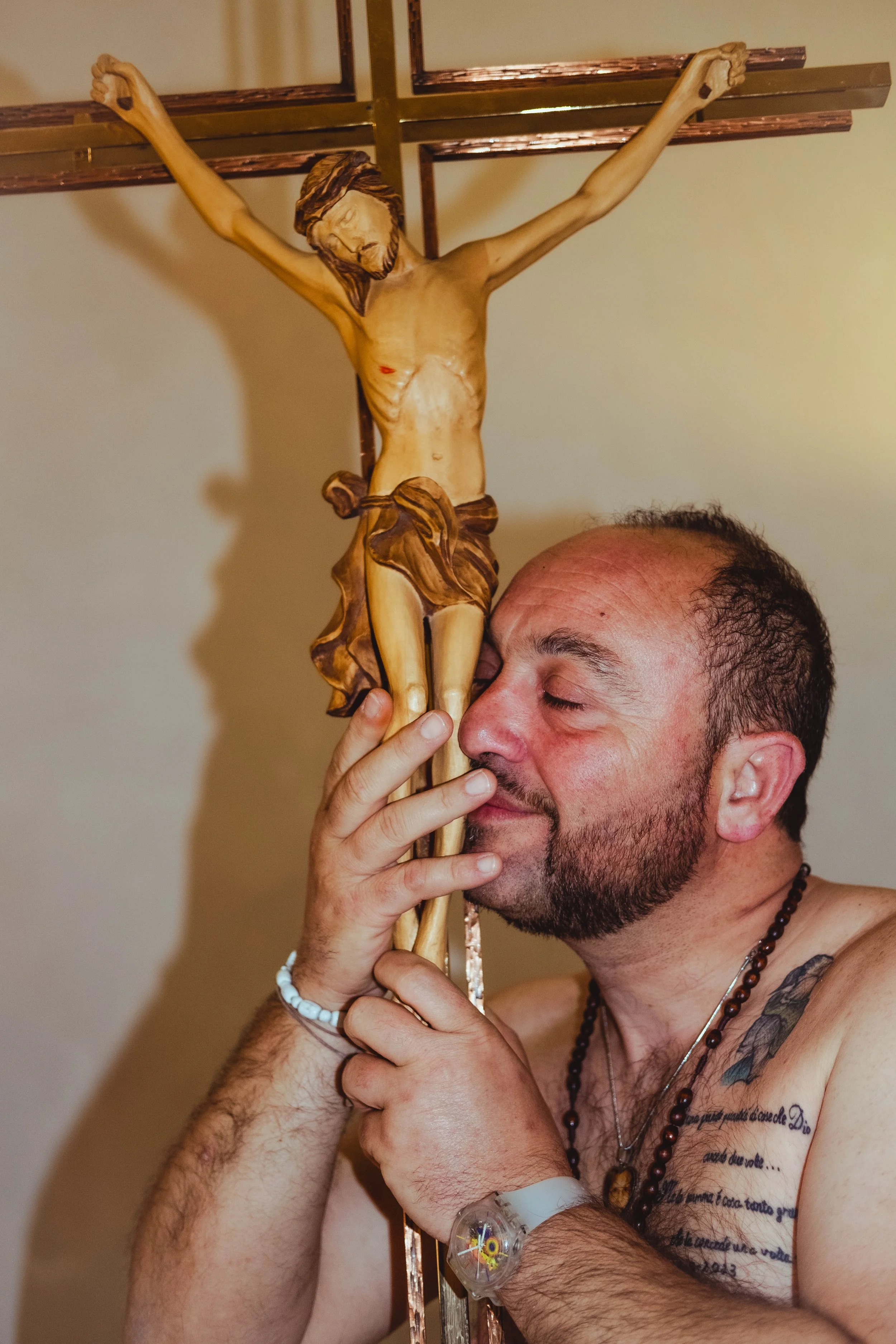
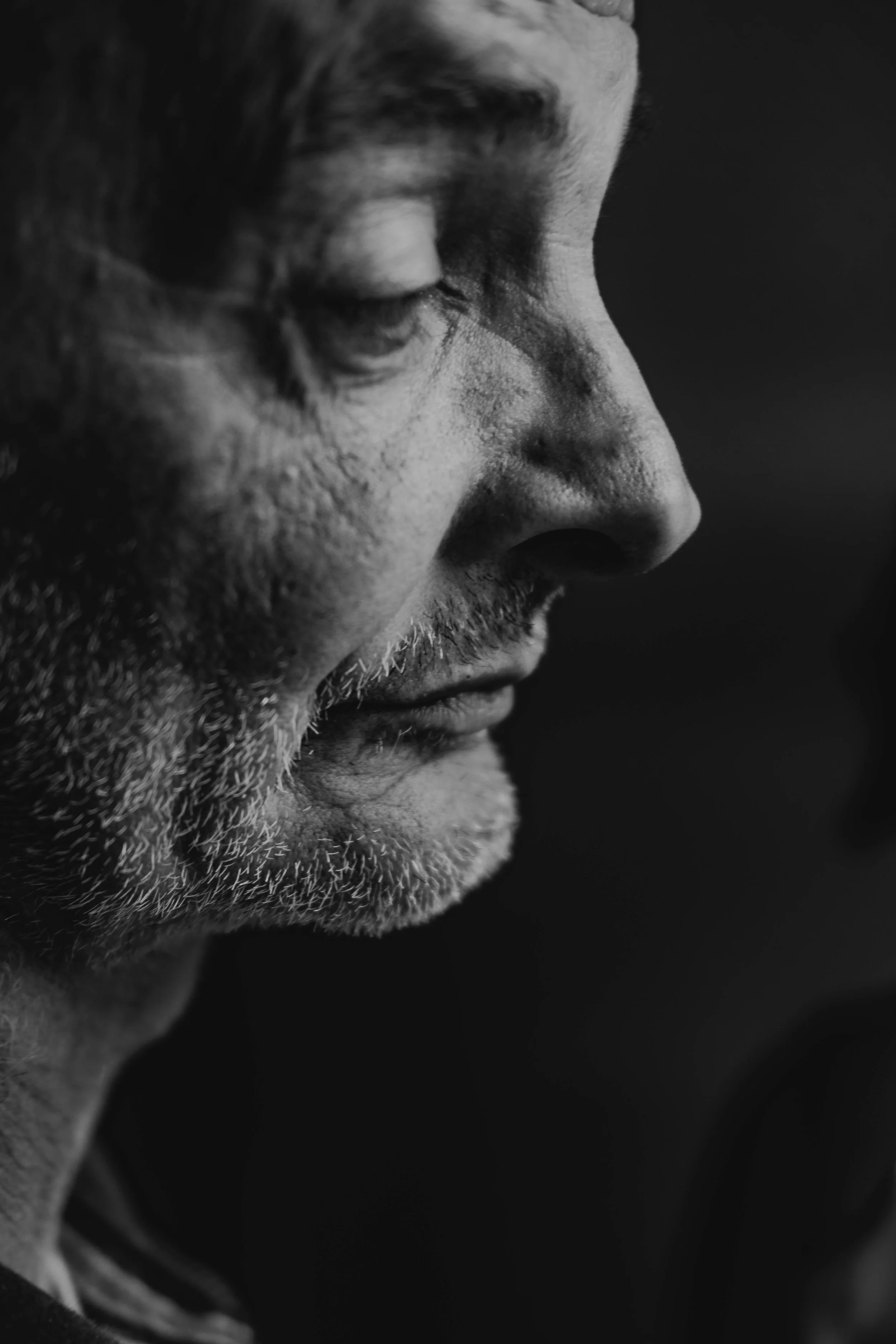
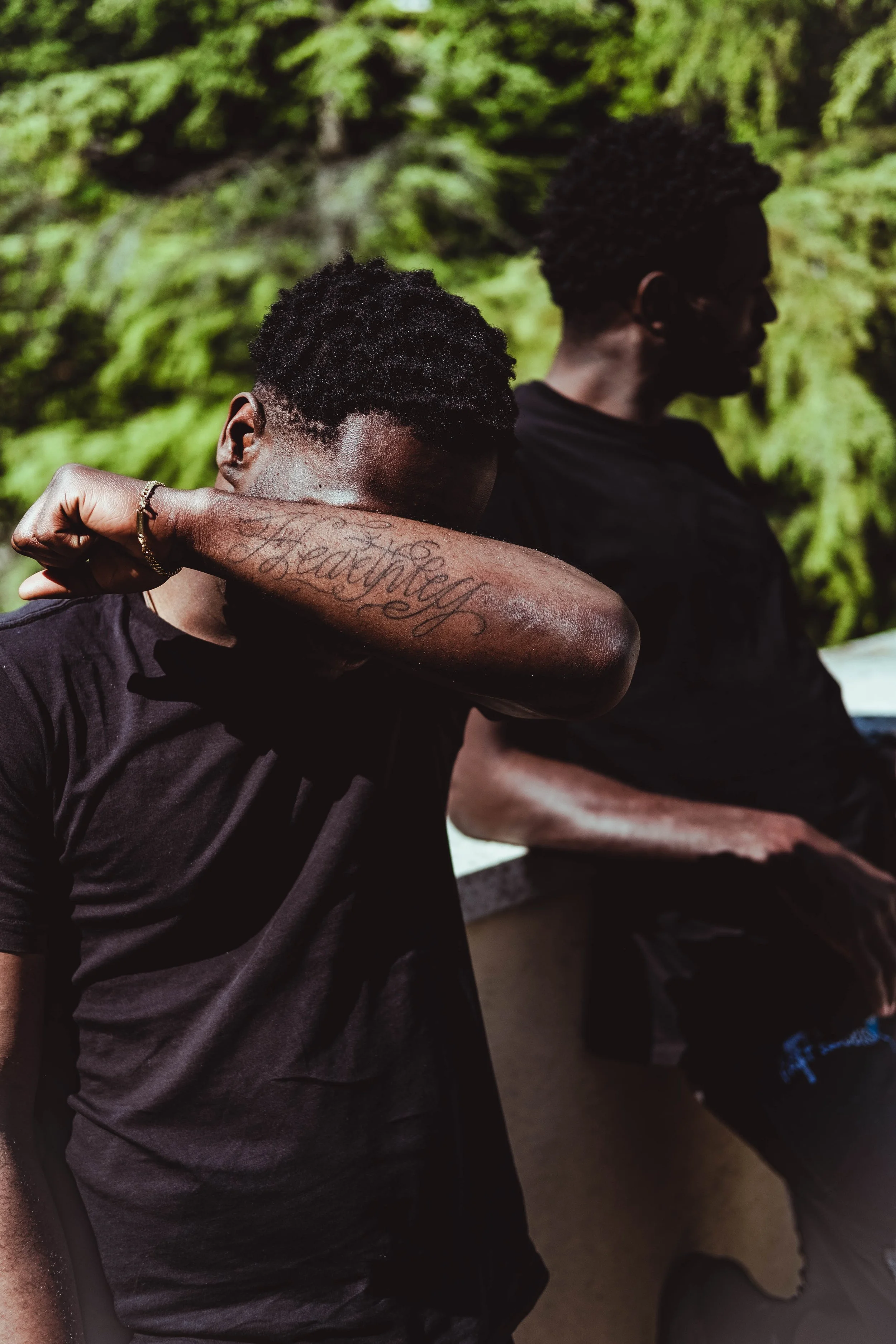
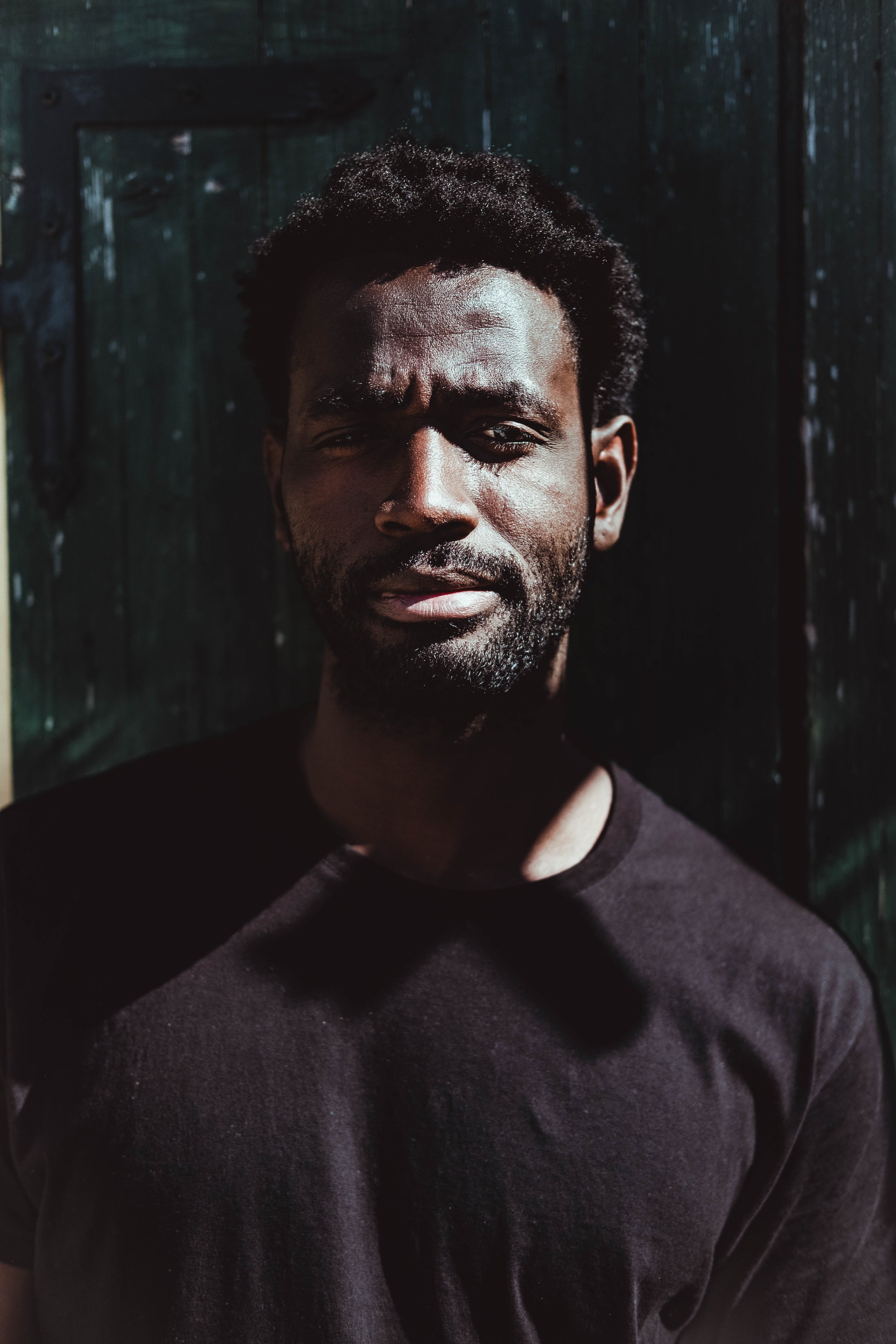
The aim is to rediscover one’s value and become a gift to others, starting with the most vulnerable. The former prisoners are the protagonists of their own rebirth. The portraits and voices in this chapter reflect that process: they are not final answers, but moments within a longer journey of returning, rebuilding, and reimagining what home can be.
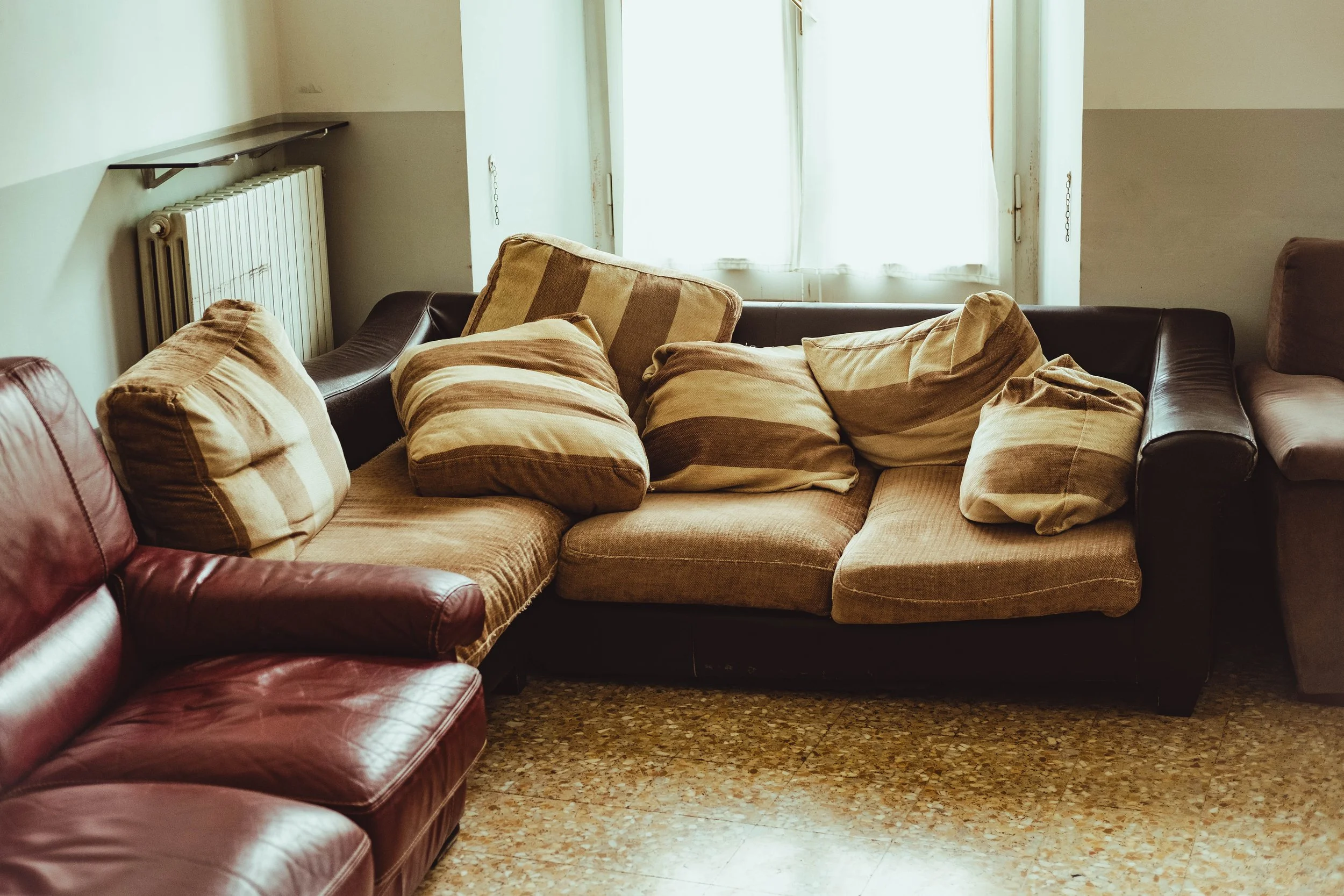
Out of our interviews, home emerges as more than a place. It is harmony, shared meals, prayers and someone who listens when you are down and stays beside you. Many spoke of the disappointment and absence of blood relatives, whether parents, siblings or extended family, who at times had let them down, leaving wounds that linger. Yet within this community they discover strength, support and a chosen family, bound by care, loyalty and the rhythms of daily life. Home is also a space where the memory and love of their mothers remain alive, shaping who they are and who they aspire to be.
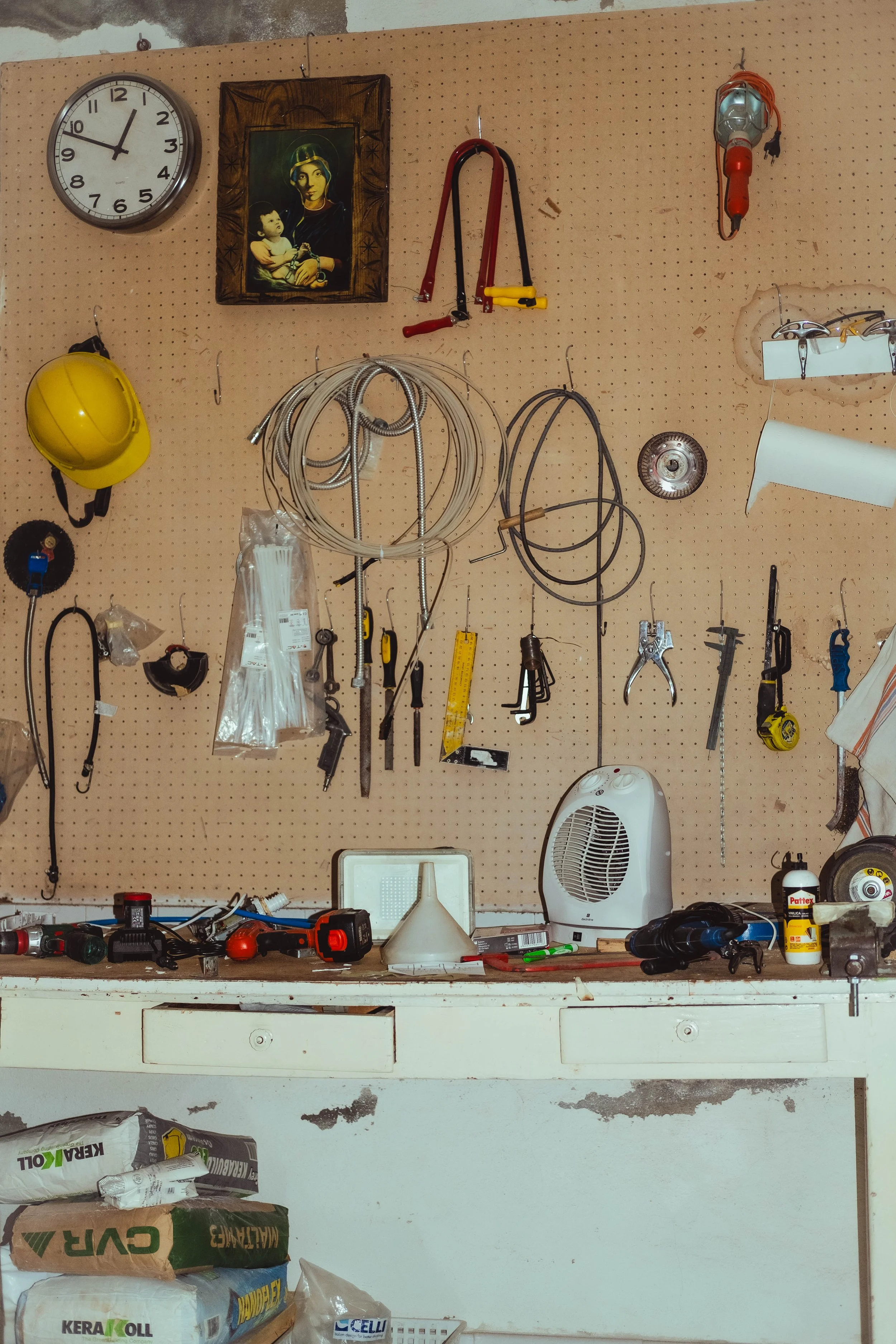
Here, home becomes the second family that helps heal past fractures, a place of laughter, routine and small acts of kindness that give meaning to each day. It is built through cooperation, shared meals and conversations that witness and support. In this home, bonds are chosen and nurtured and every individual feels seen, valued and connected.